Skip to content

You know where you want to go, but getting people there is harder than you thought.

We help senior leadership teams align behind key moments of organisational change and bring their people with them.

What we help with

When you’re leading significant change, you want to know that your leadership team is committed to it, and that people across the organisation can clearly see what it means for them. We support you with both, whether you’re just preparing to begin or are already doing the hard work of putting changes into practice.

Align your leadership team behind change

Getting leaders to agree on a direction of travel is one thing. Getting them to actively lead it together, particularly when priorities compete across different parts of the organisation, is more complex.

True alignment means working through what the change demands of the organisation as a whole, alongside what each leader must personally take responsibility for. We help executive teams navigate different perspectives, address difficult questions and agree how they will lead the change together.

We begin by listening to leaders individually, then design focused working sessions and executive offsites around the issues that need to be resolved. Where needed, we continue supporting the team as the change progresses.

More about working with your leadership team

Engage your people in change

By the time a change reaches the wider organisation, the leadership team may have spent months working through it. For many employees, the conversation is only just beginning. They will have questions, concerns and practical knowledge that the plans may not yet reflect.

We help you understand what people are experiencing and involve them in shaping the change where they have genuine influence. That means being clear about what has already been decided, listening properly to what people are telling you, and being willing to adjust the plans when they reveal something important.

We design and facilitate the conversations, workshops and practical experiences that make this possible. We also help managers work through the change with their teams, so that what people learn and experience can inform decisions as the change progresses.

How we approach change

An organisation can spend months designing a future in which people take more responsibility, then go about introducing it in a way that leaves them waiting to be told what to do.

It’s quite a contradiction when you think about it.

The way people work together today is already creating the organisation they’re becoming. If we want an organisation to be different, we have to give people the opportunity to work differently through the process of change itself.

Of course, people don’t all see their organisation in the same way. They have different experiences of what’s happening, different stories about what needs to change, and sometimes very real anxieties about what it might mean for them. Those stories matter. And when people have the opportunity to hear one another, they can begin to see things differently.

At BroadBridge, we begin by listening closely to understand those perspectives and what is happening between people. We then work with leaders and people across the organisation to design and hold a process where they can explore their differences, have the conversations that matter and participate in creating the change together.

That doesn’t mean everyone will agree, or that the difficult decisions go away. There is still an important organisational task to accomplish. Our role is to help people stay engaged with that task, and with one another, particularly when uncertainty or disagreement makes it difficult.

Because how people work together through change is already shaping the organisation they’re creating.

Selected work

We support organisations through significant change, partnering with them over the long term and stepping in when progress proves difficult. We look closely at the decisions leaders face, the relationships influencing them, and what people across the organisation are actually experiencing.

The stories below are drawn from wider transformation programmes. Instead of standard project summaries, we have focused on the critical pivot points, showing how understanding the human dynamics allowed us to design interventions that made a real difference.

Helping an executive team lead change together

An executive team was preparing to change its operating model to become more customer-centred. Funding had been earmarked for the transformation, but the leaders knew they weren’t yet on the same page. Each held a different story about what the change was meant to achieve and where it would bring the greatest value.

We were brought in to help them work through that. We began with individual conversations, giving each leader the opportunity to share their experience of the organisation, what they believed needed to change, and the part they might play in leading it.

These conversations were themselves part of getting everyone aligned. They gave leaders the space to feel heard and reflect on their own perspectives. At the same time, they helped us understand how the executive group was actually working together, the relationships between its members, and what might make it difficult for them to lead the change collectively.

As we brought these different perspectives together, we started to see the real dynamics at play. We could see where there was energy for change, where leaders held different assumptions, and where established patterns of behaviour might be getting in the way. We reflected that picture back to the executives, helping them recognise aspects of their own group dynamics that they hadn’t necessarily noticed before.

That understanding shaped a focused two-day leadership session. We wanted to help the executives see how they were working together and begin to relate to one another differently, all while tackling the real decisions facing the organisation.

When the group finally tackled the future operating model, the shift was noticeable. Leaders approached different viewpoints with genuine curiosity, dropping their defenses and showing a real willingness to explore other options.

The organisation wanted to become more customer-centred and collaborative. Its executive team was already beginning to practise those ways of working through the process of leading the change.


Making change credible to the people who were fatigued with constant change

An organisation was preparing to roll out changes after a period of trials and testing. For this to work, people needed to believe that things could actually improve. But employee feedback revealed low trust in leadership and a genuine concern that their views were being ignored.

There was pressure to launch a splashy internal campaign with a bold promise about the future. We recommended a more grounded approach. Rather than asking the whole organisation to believe in changes it hadn’t yet experienced, we concentrated on the people actually doing the trials—learning from what happened and building tangible evidence that others could judge for themselves.

This meant working closely with programme leaders, HR, and communications to understand how the change was landing across the organisation. Our conversations revealed patterns in leadership behaviour and decision-making that could easily undermine the very changes they were trying to introduce. We tackled those dynamics head-on. We even designed a simulation so programme leaders could experience firsthand how their own ways of working rippled out to the rest of the organisation.

As we moved toward a broader rollout, the experiences of the employees involved in the trials became central to how we brought their colleagues on board. We designed sessions where they could share what had actually happened, while others had the opportunity to ask questions and raise concerns about what the changes would mean for their own daily work.

What we heard directly influenced preparations for the rollout training. More importantly, the organisation was beginning to build real confidence in the change through the experience and involvement of its own people.

Working through mistrust across organisational boundaries

Several organisations needed to work together on a transformation, but relationships between them had become strained. Previous experiences had left people sceptical that anything would actually change, and some of the key people whose involvement was crucial were reluctant to even participate.

We spent time listening to people across the different organisations, understanding their experiences of working together and what really lay behind their concerns. As we brought these perspectives together, we began to see how the history between the organisations was influencing current relationships, and why previous attempts to collaborate had struggled.

This gave leaders an opportunity to look at the broader picture through other people’s experiences and recognise the part their own dynamics were playing. We worked with leaders from across the groups to develop a shared understanding of the proposed change and how they wanted to involve the people affected by it.

Rather than leaving individual organisations to explain or defend the proposals separately, the leaders came together to bring people into the process. They jointly led an event where people could hear a unified account of what was being proposed and actually take part in discussing it.

People who had previously been reluctant to participate got on board with the direction and began actively contributing to the design and testing of new ways of working.

The relationships between the organisations hadn’t suddenly become easy. But people who had struggled to work together were finally participating in creating a different way forward.

What leaders have said

“You helped us role model the humanness we aspire to have as a company. This feels like it could be a turning point in our history.”
Chief Executive Officer
“You created the space for us to have the conversations we needed to have, with the loudest voices being more curious and not overwhelming.”
Senior Manager

Experience gained in previous roles and consulting work

  • NHS
  • Vodafone
  • Prudential
  • BAE Systems
  • Babcock
  • Essex County Council
  • Leicestershire County Council
  • DE&S
  • Clarion Housing
  • Kensa
  • Newton
  • Solihull Metropolitan Borough Council

How we work

We begin with the issue you’re facing, but we don’t assume the first description tells the whole story. We speak with the people involved and pay attention to how the organisation is working, including the relationships, assumptions and decisions that may be influencing progress.

What we learn helps us agree where to focus. Sometimes that calls for concentrated work with an executive team. Sometimes it means involving leaders and people across the organisation over a longer period. We design the engagement around the situation rather than fitting it into a standard programme.

We work closely with your people, agree clear expectations and adapt as things develop. Where additional expertise or capacity is needed, we bring experienced associates into the team.

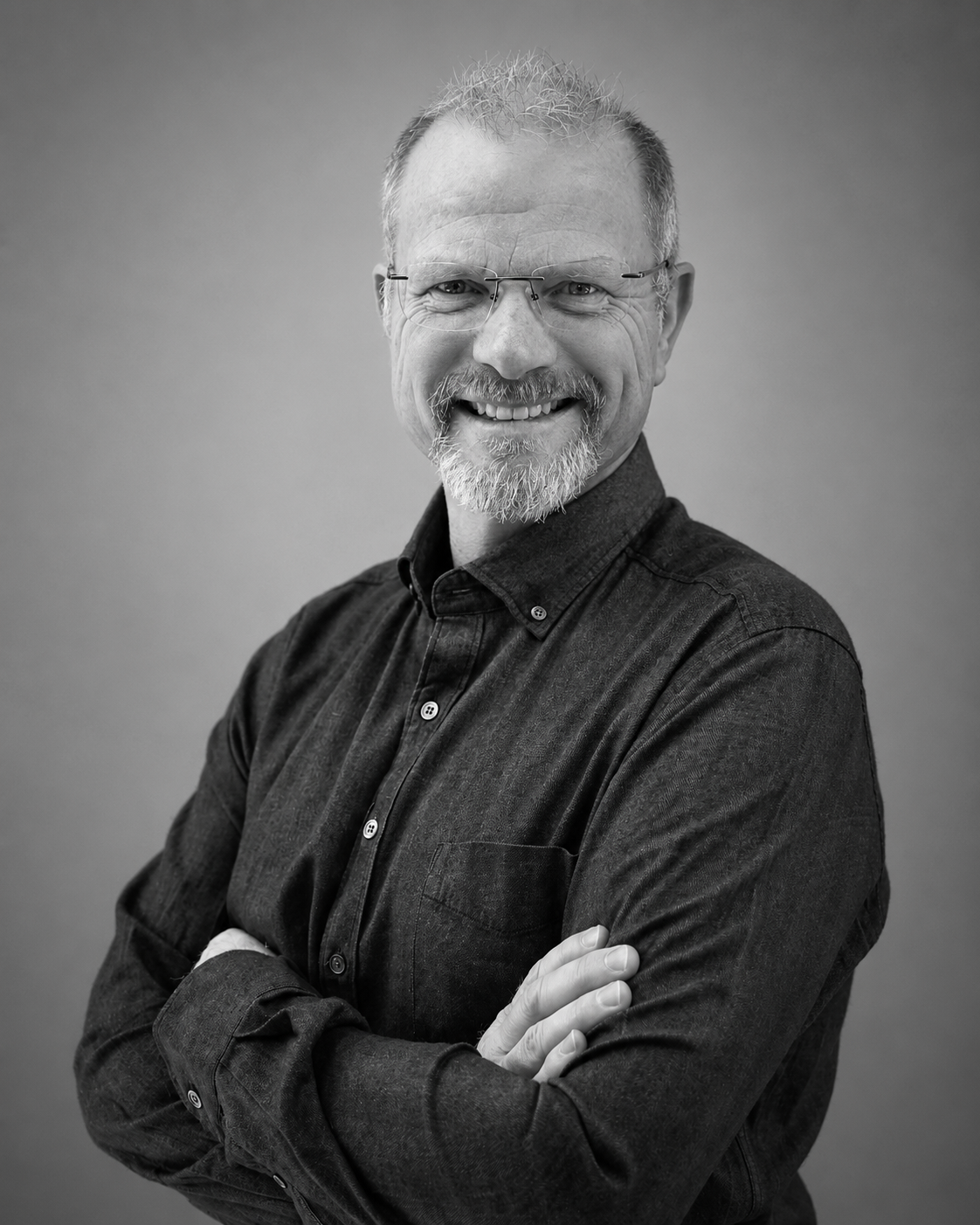
Brad Jennings, founder of BroadBridge

About BroadBridge

My full name is Bradford. It comes from broad ford, a wide place where people could cross a river.

During a Tavistock group relations conference in Leicester, I spent hours walking, trying to make sense of what I was learning about how people behave in groups. Looking back at the photographs I’d taken, I noticed how many were of bridges.

It seemed rather fitting. I’ve spent much of my career helping people and organisations get from where they are to where they want to go.

I’ve led change inside large organisations and helped executive teams navigate complex transformation programmes across different sectors. What has always fascinated me is how differently people can experience the same organisation. Even when leaders agree on where they’re headed, they can hold quite different stories about what’s happening and what needs to change.

That’s why I started BroadBridge.

Every organisation has its own fingerprint. I wanted to create a consultancy that takes those differences seriously, that looks closely at what is happening beneath the surface and works with people to shape their own way through change.

I’m naturally curious and have always enjoyed finding creative ways to help people see things differently. Some of the most rewarding moments in my career have been when people discover they’re capable of more than they imagined.

BroadBridge gives me the opportunity to continue doing that, working directly with clients and bringing together experienced associates when we need additional expertise.

Connect with me on LinkedIn

What are you trying to change?

Tell us what you are trying to achieve and where you are finding it difficult. Your first conversation will be with Brad, to understand the situation and discuss whether BroadBridge can help.

Prefer email? brad@broad-bridge.co.uk

Helping leaders align behind key moments of organisational change and bring their people with them.

BroadBridge Associates trading as BroadBridge.
All rights reserved.
Registered in England and Wales, Company No. 15928078

© 2026 BroadBridge